Compare Local Contractors for Small Animal Removal Services
Compare local contractors for small animal removal to define scope, verify experience, and set clear expectations to ensure a reliable, effective solution.
Small animal removal services typically cover the identification and safe removal of unwanted wildlife such as raccoons, squirrels, bats, and other rodents that may have entered a property. These contractors often handle tasks including inspecting the property for entry points, trapping or excluding animals, and sealing openings to prevent future intrusions. The scope of work can vary depending on the extent of the infestation, the species involved, and the property's layout, making clear communication about what is included essential for a successful and thorough job.
Defining the scope of work is a critical step in working with contractors for small animal removal. A detailed written agreement helps ensure both property owners and service providers have aligned expectations regarding what will be addressed and how. Clarifying whether the scope includes only removal or also involves repairs to entry points, cleanup, or preventative measures can prevent misunderstandings. It also provides a record of what was agreed upon, which can be useful if issues arise later.
Property owners can compare local contractors by verifying their experience with similar removal projects and reviewing the scope of services offered. It’s helpful to ask about the methods used for trapping and exclusion, as well as what steps are taken to prevent future issues. When evaluating contractors, consider their communication style and whether they provide clear, written descriptions of the work they will perform. This approach ensures that the chosen service provider aligns with the specific needs of the property and that expectations are properly set before work begins.
Compare local contractors by outlining your priorities, verifying experience, and setting clear expectations in writing.
- Verify Experience and Scope - Ensure contractors have relevant experience and clearly define the scope of work in writing.
- Compare Local Contractors - Review multiple service providers to assess their offerings and suitability for small animal removal.
- Define Expectations Clearly - Communicate specific needs and outcomes to avoid misunderstandings during the project.
- Check for Credentials and References - Seek references and verify credentials to confirm the reliability of potential contractors.
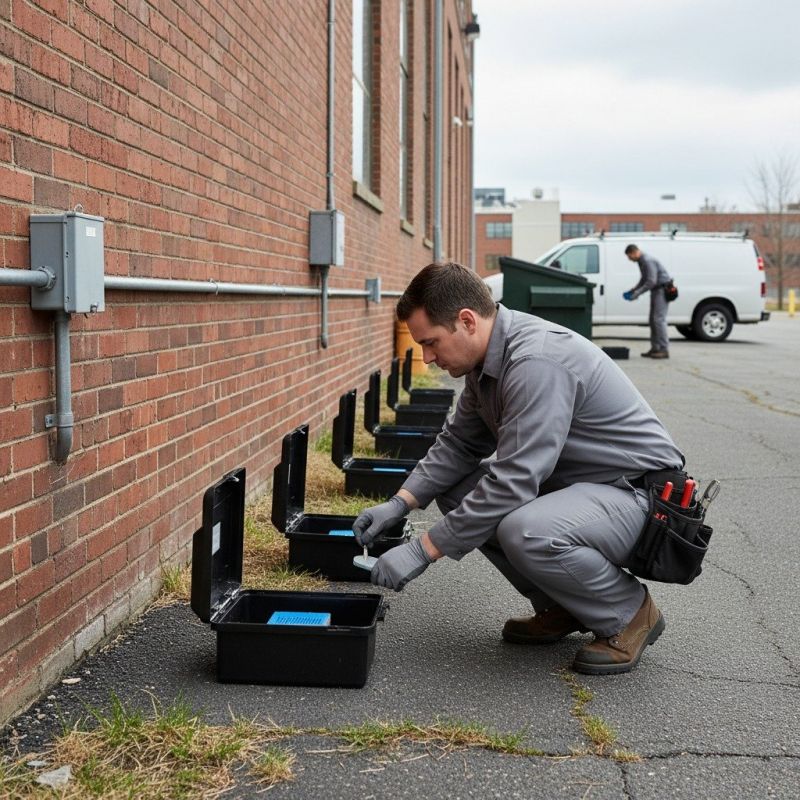
Clearly describe your small animal removal project to help local contractors compare options and set clear expectations.
- Identify the types of small animals the contractor has experience removing. Ensure the scope of work is clearly defined and documented in writing.
- Verify that the contractor assesses the property thoroughly to locate entry points and nesting areas. Confirm that the removal methods are humane and appropriate for the specific animals involved.
- Check that the contractor provides a detailed plan for animal exclusion and prevention measures. Review the contractor’s credentials and references to gauge their expertise with small animal removal.
- Ensure the scope of work, responsibilities, and expectations are outlined clearly in the service agreement. Look for contractors who prioritize cleanup and repair to restore the property after removal.
- Compare the approaches of different service providers to ensure they use safe and effective removal techniques. Confirm that the contractor offers guidance on preventing future animal intrusions.
Compare local contractors' experience and clarify project scope to ensure effective small animal removal.
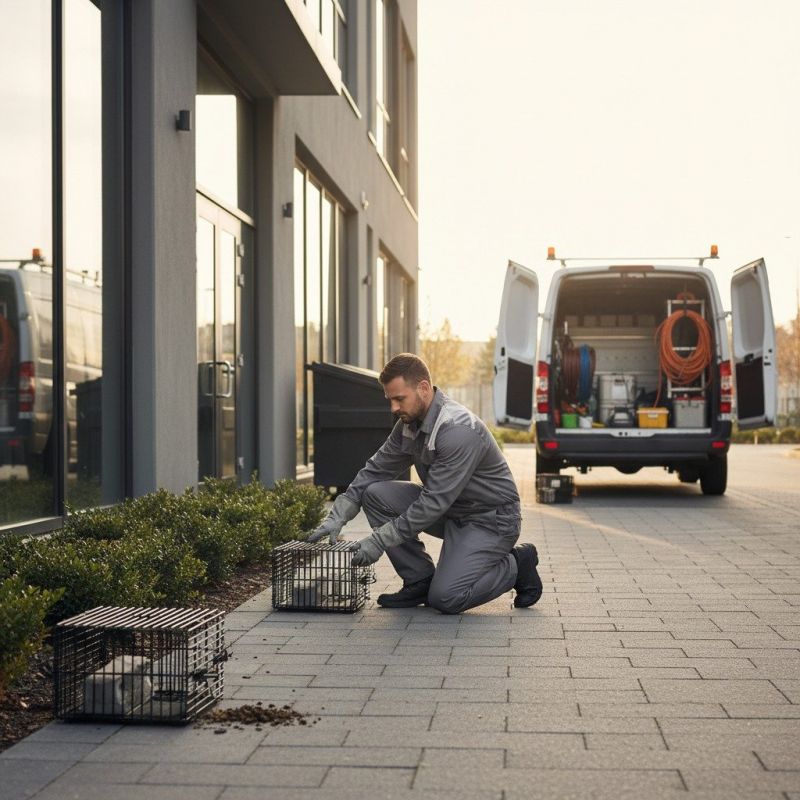
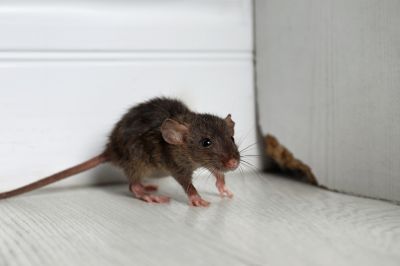
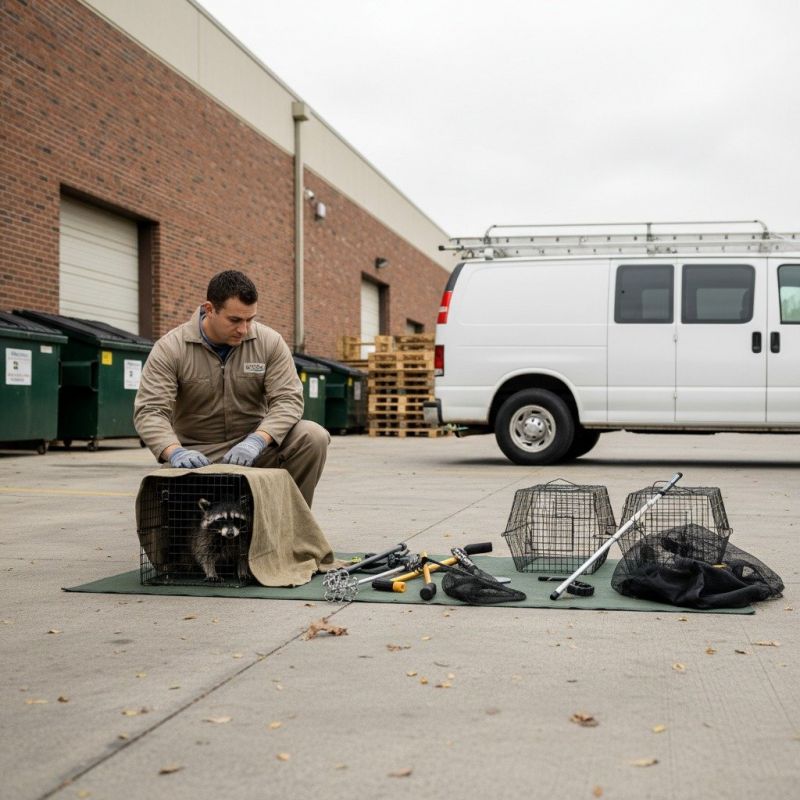
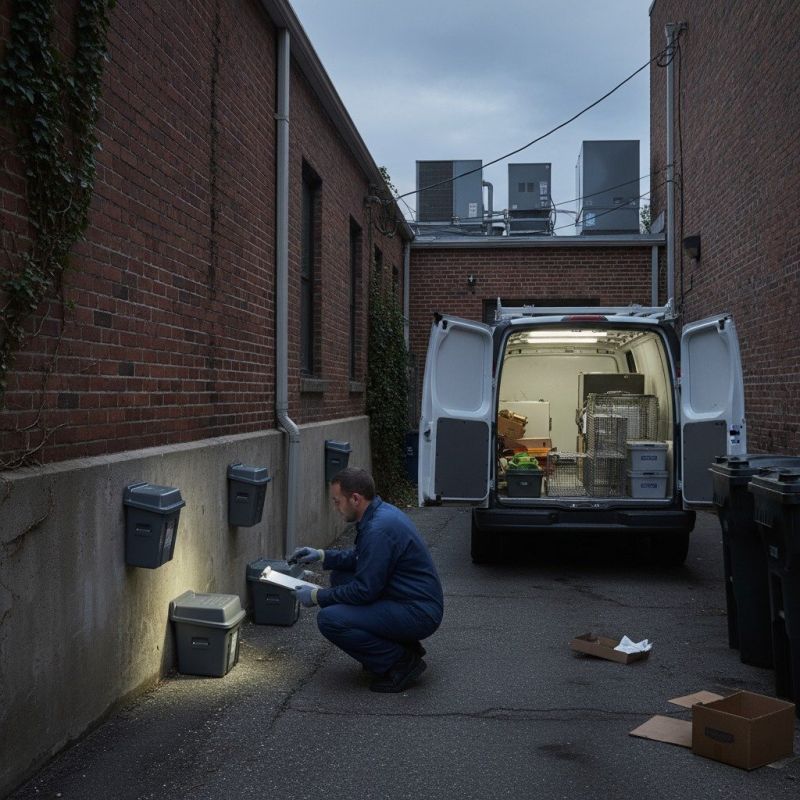
Use consistent scope definitions to compare local contractors, verify experience, and set clear expectations in writing.
- Define the scope of small animal removal services needed, including the type of animals involved and affected areas.
- Identify the experience and expertise of local contractors in handling small animal removal safely and effectively.
- Establish clear expectations and requirements in written communication to ensure understanding of the removal process.
- Compare the approaches and methods used by different service providers to determine the most suitable option.
- Verify that the chosen local contractors follow proper procedures for humane and effective animal removal.
When evaluating contractors for Small Animal Removal, it is important to consider their experience with similar projects. Homeowners should inquire about the types of animals they have handled in the past and the environments in which they have worked. A contractor with a proven track record in safely and effectively removing small animals from residential or commercial properties can often provide insights into common challenges and effective solutions. Verifying that a service provider has relevant experience helps ensure that the scope of the project will be understood and managed appropriately.
Having a clear, written scope of work is essential when comparing contractors. This document should outline the specific tasks involved, such as inspection, removal, and any necessary repairs or exclusions. A detailed scope helps prevent misunderstandings and ensures that both parties have aligned expectations. When reviewing proposals or descriptions, homeowners should look for thorough explanations of the process, what is included, and what might be outside the scope. Clear documentation makes it easier to compare options objectively and select a service provider that aligns with the project needs.
Verification of a contractor’s basic credentials involves checking references, reviews, or past project descriptions. Homeowners should seek evidence of consistent, quality work and ask for examples of completed projects similar to their own. Confirming that a contractor has handled comparable situations can provide confidence in their ability to deliver satisfactory results. Additionally, understanding how a service provider approaches problem-solving and their familiarity with local regulations or property types can be valuable in assessing their suitability for the task.
When evaluating options among local contractors, it is helpful to focus on their communication and ability to define the scope clearly in writing. Asking detailed questions about their process, experience, and approach can reveal how well they understand the project requirements. Comparing how each service provider explains their methods and outlines the work involved allows homeowners to make more informed decisions. Remember, this process is about identifying the contractor who can meet the project needs effectively and reliably, based on their experience and clarity in scope, rather than solely on price or promotional claims.
Ask service providers to provide written descriptions of the scope of work to ensure clear, consistent expectations.
- Experience and Expertise - What specific experience do local contractors have with small animal removal?
- Scope of Services - How do contractors define the scope of work to ensure all removal and prevention needs are addressed?
- Methods and Techniques - What removal methods do service providers typically use, and are they suitable for different types of small animals?
- Guarantees and Warranties - Do contractors provide written assurances about the effectiveness of their removal and prevention measures?
- Communication and Expectations - How do local service providers clarify the scope and set clear expectations in writing before starting work?
What should I consider when choosing a contractor for small animal removal? It's important to compare local contractors based on their experience, methods, and reputation. Ensuring clear communication about the scope of work and confirming that services are documented in writing can help set expectations and avoid misunderstandings.
How can I verify a contractor’s experience with small animal removal? Ask potential service providers about their previous work and areas of expertise. Checking references or reviews can also provide insight into their track record with similar removal projects.
What questions should I ask a contractor before hiring for small animal removal? Inquire about their approach to animal removal, the types of animals they handle, and how they ensure humane practices. Clarifying the scope of work and requesting a written agreement can help establish clear expectations.
Why is it important to define the scope of work in writing? Having a detailed, written scope helps ensure both parties agree on what will be done, reducing the potential for disputes or misunderstandings during the project.
How can I compare different contractors for small animal removal? Review their experience, methods, and reputation, and ask for clarification on the scope of work. Comparing how each contractor communicates and details their process can help identify the best fit for the job.
What role does communication play in hiring a small animal removal contractor? Clear and thorough communication about the scope, methods, and expectations helps ensure the project proceeds smoothly and both parties are aligned throughout the process.
This page has provided an overview of what to consider when hiring contractors for small animal removal. Visitors have learned the importance of clearly defining the scope of work, verifying the experience of service providers, and setting expectations in writing to ensure a smooth process. Comparing options among local contractors can help identify those best suited to handle the specific needs of the job.
Interested in connecting with qualified service providers? Use the quote form to compare local options and find contractors capable of managing small animal removal projects. Gathering details through this process can help in making informed decisions and selecting the right local professionals for the task.