Signs Wildlife Has Moved Into Your Attic, Walls, or Crawl Space
If you notice signs wildlife has moved into your attic, walls, or crawl space, local service providers can identify the problem and safely remove the animals.
Discovering signs that wildlife has moved into your attic, walls, or crawl space can be both surprising and concerning for property owners. These hidden invaders often leave behind telltale evidence, such as scratching sounds, droppings, or damaged insulation, which can indicate an ongoing problem that might not be immediately visible. Recognizing these signs early is important for maintaining the integrity of the property and preventing further damage or health risks. Local contractors specializing in wildlife removal are equipped to assess these situations carefully and provide effective solutions to restore your home’s safety and comfort.
For residents in the area, understanding the practical reasons to explore this topic is essential. Wildlife often seeks shelter in warm, secluded spaces, especially during certain seasons, which can lead to unexpected intrusions in attics, walls, or crawl spaces. Addressing signs of wildlife presence promptly can help prevent costly repairs and reduce the likelihood of pests or diseases spreading within the property. Many local service providers offer humane removal and exclusion services, ensuring that wildlife is handled safely and ethically. Keep reading to learn more about identifying these signs and how local experts can assist in resolving the issue efficiently.
- Attic wildlife removal - when signs wildlife has moved into your attic, local contractors can assess entry points and safely remove animals.
- Wall animal exclusion - if you notice noises or damage within walls, service providers can identify and eliminate the wildlife habitat.
- Crawl space wildlife control - signs wildlife has moved into your crawl space prompt experts to secure access points and remove pests.
- Wildlife damage repair - evidence of chewed wires or insulation indicates the need for professional wildlife removal and restoration.
- Infestation prevention services - detecting ongoing activity or droppings suggests the importance of sealing entry points to prevent future wildlife intrusion.
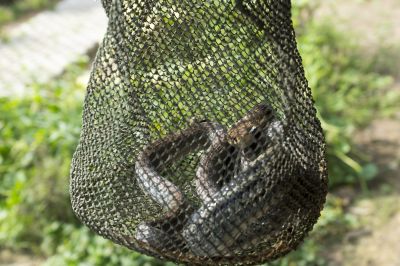
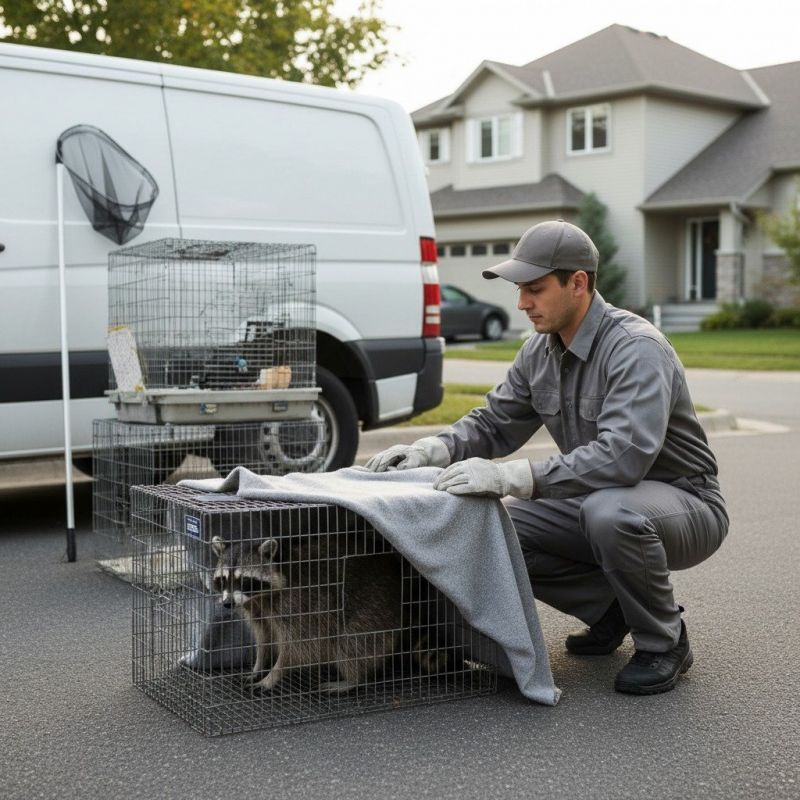
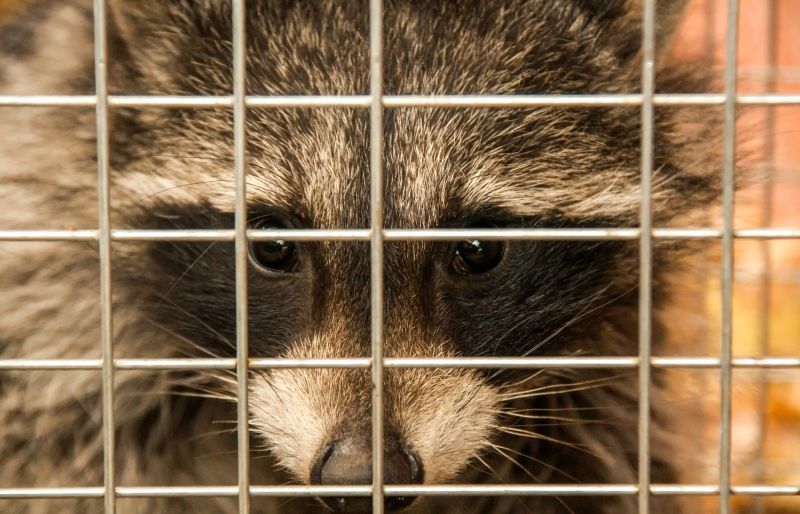
When homeowners notice unusual sounds or odors in their homes, they often search for signs wildlife has moved into your attic, walls, or crawl space. These signs typically include scratching or scurrying noises, especially at night, which suggest the presence of animals such as raccoons, squirrels, or bats. Other indicators might be droppings or urine stains, chewed wiring or insulation, and a persistent musty smell. Recognizing these signs early can help prevent property damage and health concerns, making it important to understand what to look for and when to seek professional assistance. Local wildlife removal service providers specialize in identifying these signs and safely addressing the situation.
The presence of wildlife inside a home often relates to larger problems like structural damage or compromised insulation, which can lead to increased energy costs and safety hazards. Homeowners may also be concerned about the potential for animals to nest or reproduce in hidden areas, creating ongoing issues. Plans to resolve these problems usually involve removing the animals, sealing entry points, and restoring affected areas. Wildlife removal pros are equipped to handle these projects efficiently, ensuring that animals are safely relocated and that the property is protected from future invasions. Recognizing the signs of wildlife intrusion is a crucial step in planning effective removal and prevention strategies.
Properties most commonly affected by wildlife moving into indoor spaces include houses with accessible attics, wall voids, or crawl spaces. Older homes or those with gaps around vents, soffits, or foundations are especially vulnerable. Rural properties or homes near wooded areas tend to experience more frequent wildlife visits due to their proximity to natural habitats. Additionally, homes with poorly maintained insulation or damaged screens can become easy entry points for animals seeking shelter. Local service providers are familiar with the specific challenges these property types present and can offer tailored solutions to address wildlife issues effectively.
Understanding the signs that wildlife has moved into your attic, walls, or crawl space helps homeowners take timely action to mitigate damage and health risks. Detecting early signs such as noises, droppings, or damage can prompt a quick response from experienced wildlife removal professionals. These experts provide the necessary services to safely remove the animals, seal entry points, and restore the affected areas. Connecting with local contractors ensures that the problem is handled efficiently and thoroughly, preventing future invasions and maintaining the integrity of the home. Recognizing these signs and involving qualified service providers is key to resolving wildlife issues effectively.
Attic Insulation Removal and Replacement - Professionals can safely remove contaminated insulation caused by wildlife activity and replace it to prevent future intrusions.
Structural Damage Repair - Local contractors skilled in repairing chewed or compromised walls and roof structures can restore the integrity of affected areas.
Pest Proofing and Exclusion - Service providers can identify entry points and install barriers to prevent wildlife from re-entering attics, walls, or crawl spaces.
Drywall Repair and Restoration - Experts can repair damage caused by animals nesting or chewing through drywall, restoring interior walls to their original condition.
Vent and Exhaust System Cleaning - Professionals can clean and seal vents that wildlife may have used as entry points, reducing the risk of re-infestation.
Crawl Space Encapsulation - Local contractors can seal and insulate crawl spaces, preventing wildlife from nesting and improving home energy efficiency.
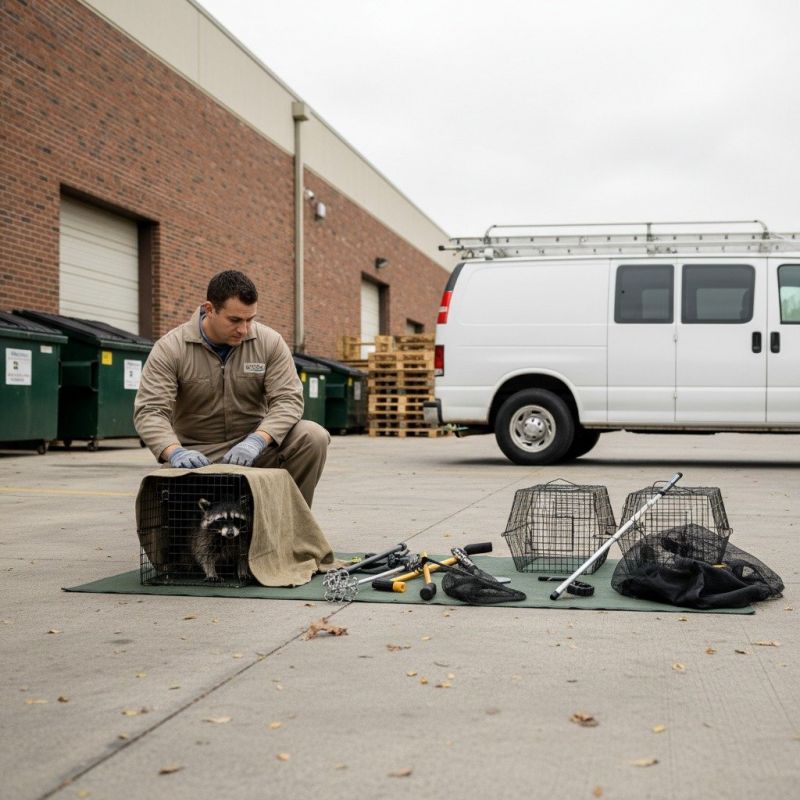
When comparing wildlife removal service providers, it is important to consider their experience with similar projects. Homeowners should seek out local contractors who have a proven track record of handling wildlife issues in attics, walls, or crawl spaces. An experienced professional will understand the common signs wildlife has moved into these areas and be familiar with effective methods for humane removal and prevention. Asking about the types of animals they have worked with and the complexity of past projects can help ensure the chosen provider has relevant expertise to address specific wildlife concerns.
Clear written expectations are essential when selecting a wildlife removal service. Homeowners should look for providers who can offer detailed descriptions of the process, including inspection procedures, removal techniques, and cleanup or repairs if necessary. Transparent communication about what services are included helps prevent misunderstandings and ensures that both parties are aligned on the scope of work. Reputable local contractors will be willing to provide written estimates or service agreements that outline the steps involved and any guarantees or warranties offered.
Good communication and reputable references are key indicators of a reliable wildlife removal service. Homeowners are encouraged to seek out providers who are responsive and willing to answer questions thoroughly. Additionally, requesting references from previous clients or reading reviews can offer insights into the contractor’s professionalism and quality of work. A service provider that maintains open lines of communication and has positive feedback from past customers is more likely to deliver a satisfactory experience when addressing signs wildlife has moved into the home’s hidden spaces.
Property owners often search for signs wildlife has moved into your attic, walls, or crawl space when they are planning practical projects around their homes and businesses. Local pros provide Wildlife Removal services for everyday jobs and straightforward project options.
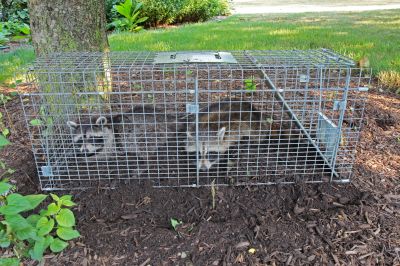
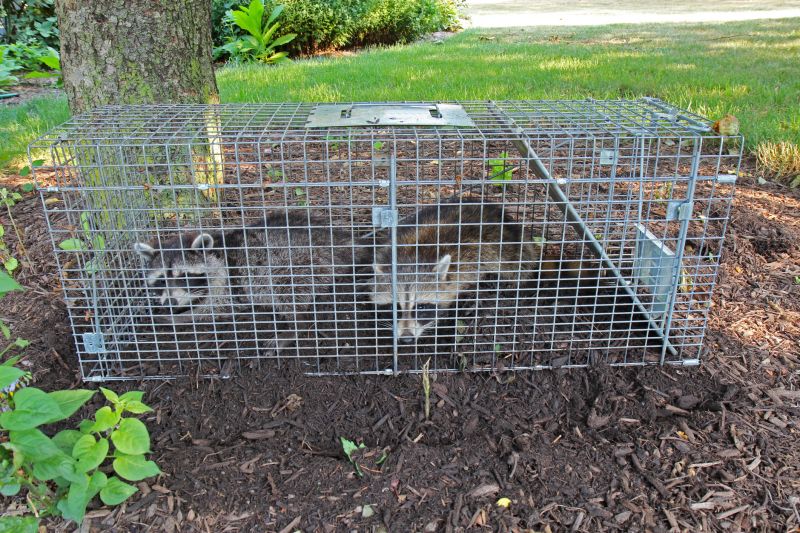
Homeowners in the area often notice certain signs indicating wildlife may have settled into their attic, walls, or crawl space. Unusual noises such as scratching, scurrying, or squeaking, especially during nighttime hours, are common indicators. Additionally, droppings, chewed wiring, or nesting materials found in these hidden spaces can suggest the presence of animals seeking shelter. Recognizing these signs early can help property owners determine when it's time to involve local contractors who specialize in wildlife removal services to safely and effectively address the situation.
Many property owners turn to local service providers when they observe smells of animal odors or notice damaged insulation and structural materials. Visible entry points like holes or gaps around vents, soffits, or foundation areas also signal that wildlife may have gained access. Since attempting to handle these concerns without proper expertise can lead to further damage or safety issues, connecting with experienced wildlife removal professionals is a practical step. These local contractors can assess the situation, remove any animals present, and help ensure the property is secured against future intrusions.
What are common signs wildlife has moved into your attic, walls, or crawl space? You may notice scratching or scurrying sounds, droppings, or damaged insulation, which can indicate animal activity inside your home’s hidden spaces. Local contractors experienced in wildlife removal can assess these signs and confirm if animals are present.
How can I tell if animals are nesting in my attic, walls, or crawl space? Evidence such as chewed wiring, nesting materials, or holes in the structure suggests animals are nesting nearby. Professional wildlife removal services can identify and safely remove any animals causing these issues.
Are there specific signs that indicate wildlife has entered through vents or openings? Signs include debris around vents, visible entry points, or sounds coming from outside. Local service providers can inspect and seal these entry points to prevent further intrusion.
What should I do if I see animal droppings or hear noises in my home’s hidden spaces? Noticing droppings or hearing sounds often means animals are present. Contacting local wildlife removal specialists can help evaluate the situation and handle removal safely.
Can damage to insulation or wiring indicate wildlife presence? Yes, chewed or damaged insulation and wiring are common signs of animals nesting or moving through these areas. Experienced contractors can assess and address these issues effectively.
Identify unusual noises - listening for scratching, scurrying, or gnawing sounds can help property owners recognize wildlife activity in their attic, walls, or crawl space, prompting a call to local service providers.
Check for droppings and nesting materials - spotting droppings, shredded insulation, or nesting debris indicates wildlife presence and can guide property owners to seek professional removal services.
Look for signs of damage - noticing chewed wires, insulation, or entry points around the exterior can help identify areas where wildlife has entered and inform the need for expert assistance.
Monitor for odors or smells - detecting persistent musty or foul odors may signal wildlife residing in hidden spaces, encouraging property owners to engage local contractors for removal and cleanup.
If you are thinking about signs wildlife has moved into your attic, walls, or crawl space for a property, this guide is meant to help you understand this topic, the typical project types, and how different options might fit your plans.
When you are ready, you can use the quote form on this page to share a few details about your project. From there, local pros can review the basics and follow up with options that match what you have in mind.